Full-stack AI infrastructure
AI is powered by energy. We harvest it with full-stack infra.
One company holding the whole chain — from fuel to accelerators.
Three deals, four parties
Energy becomes intelligence through three deals.
Conventionally each link is a different company. Three transactions, four counterparties, each with its own negotiation, diligence and financing — and together they take years.
Fullstack deal making
The customer signs once. We sign the rest.
Conventionally — three deals, one after another
With Neo Harvest — the same three, in parallel
One chain, one owner
What we hold.
Power we develop
Site control and a secured power path — a utility connection, or generation we develop and own. Permits, fuel and the route to expansion come with the site rather than after it.
Campus we build
High-density design, procurement, construction and commissioning, delivered as a single accountable scope rather than a chain of vendors handing off to one another.
Compute we operate
Our model owns the accelerators and sells contracted capacity. The customer contracts for accepted compute at a service level — the thing they actually wanted.
One chain, one owner, one signature.
Fullstack execution
Built fast, built to a date.
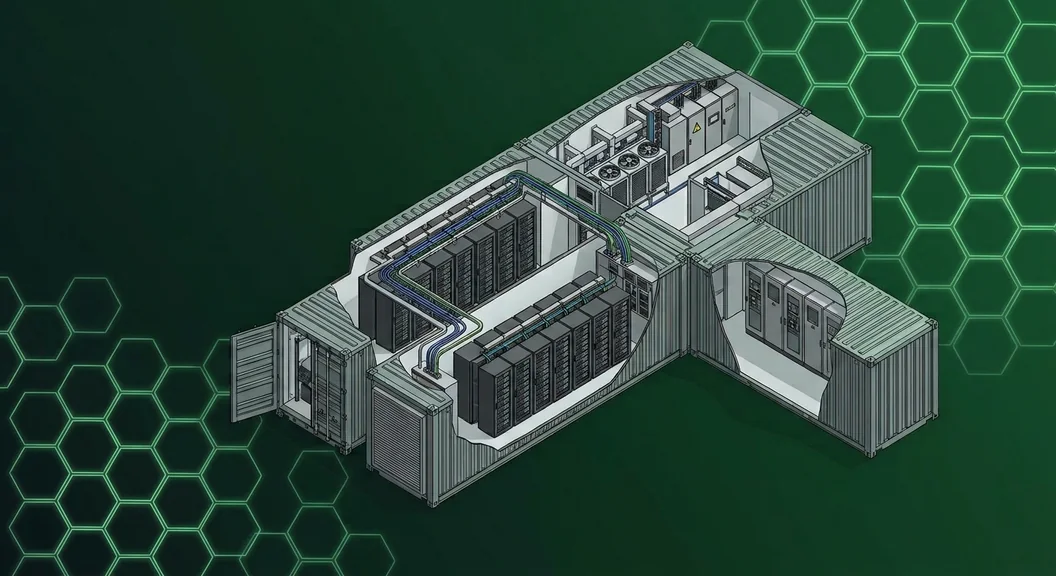
Modular and prefabricated
Design and prefabrication let the building blocks be manufactured in parallel rather than in sequence.
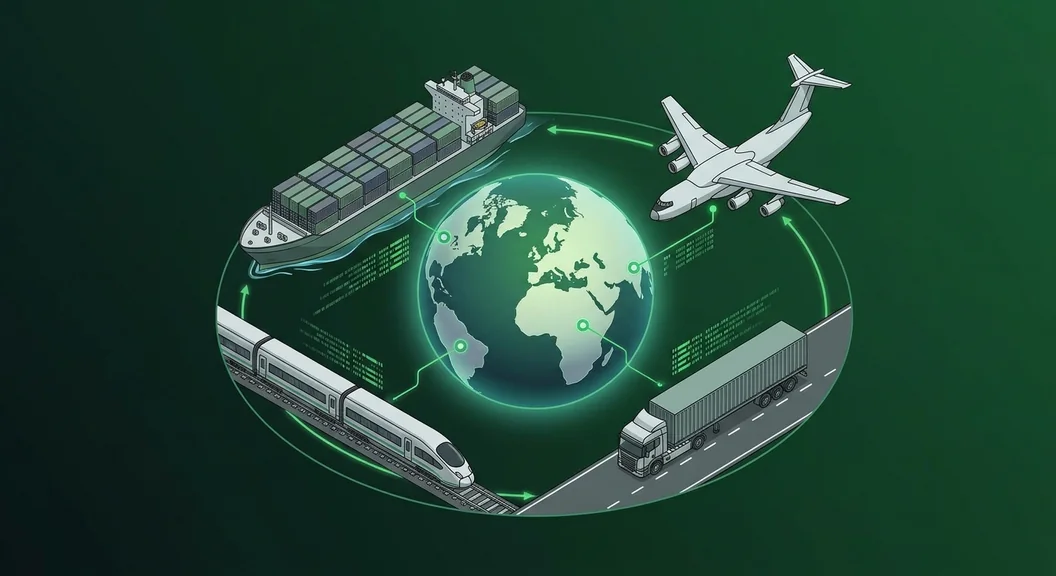
Direct supply chain
Global sourcing from generation through to compute, held directly rather than through many intermediaries.
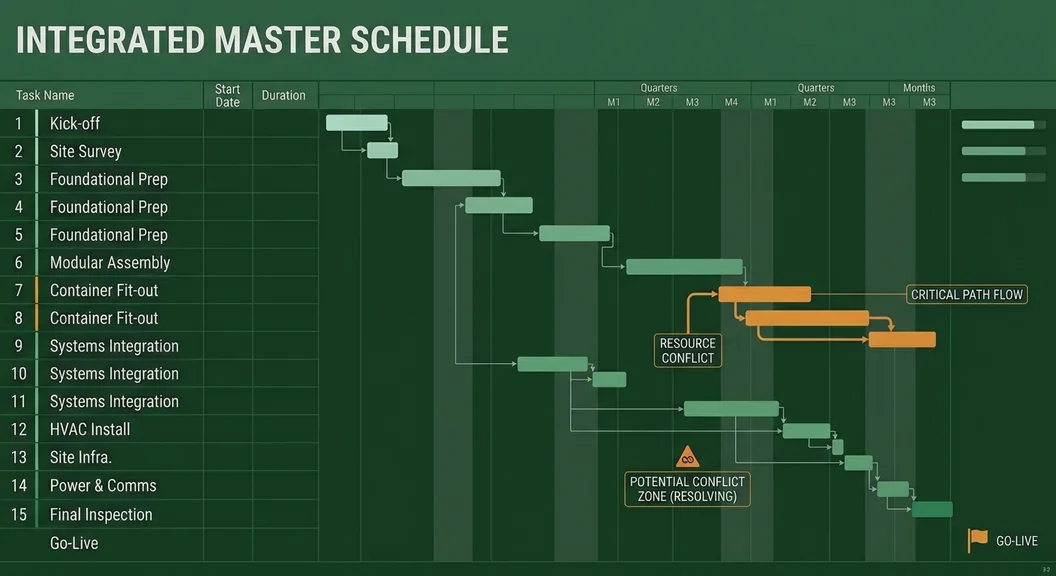
Single accountable schedule
Integration and commissioning on one schedule, with one party answerable for the date.
Team
Who is building Neo Harvest
Compute delivery and the power and fuel that run it usually sit at multiple companies negotiating with each other across a table. Here they sit at one.
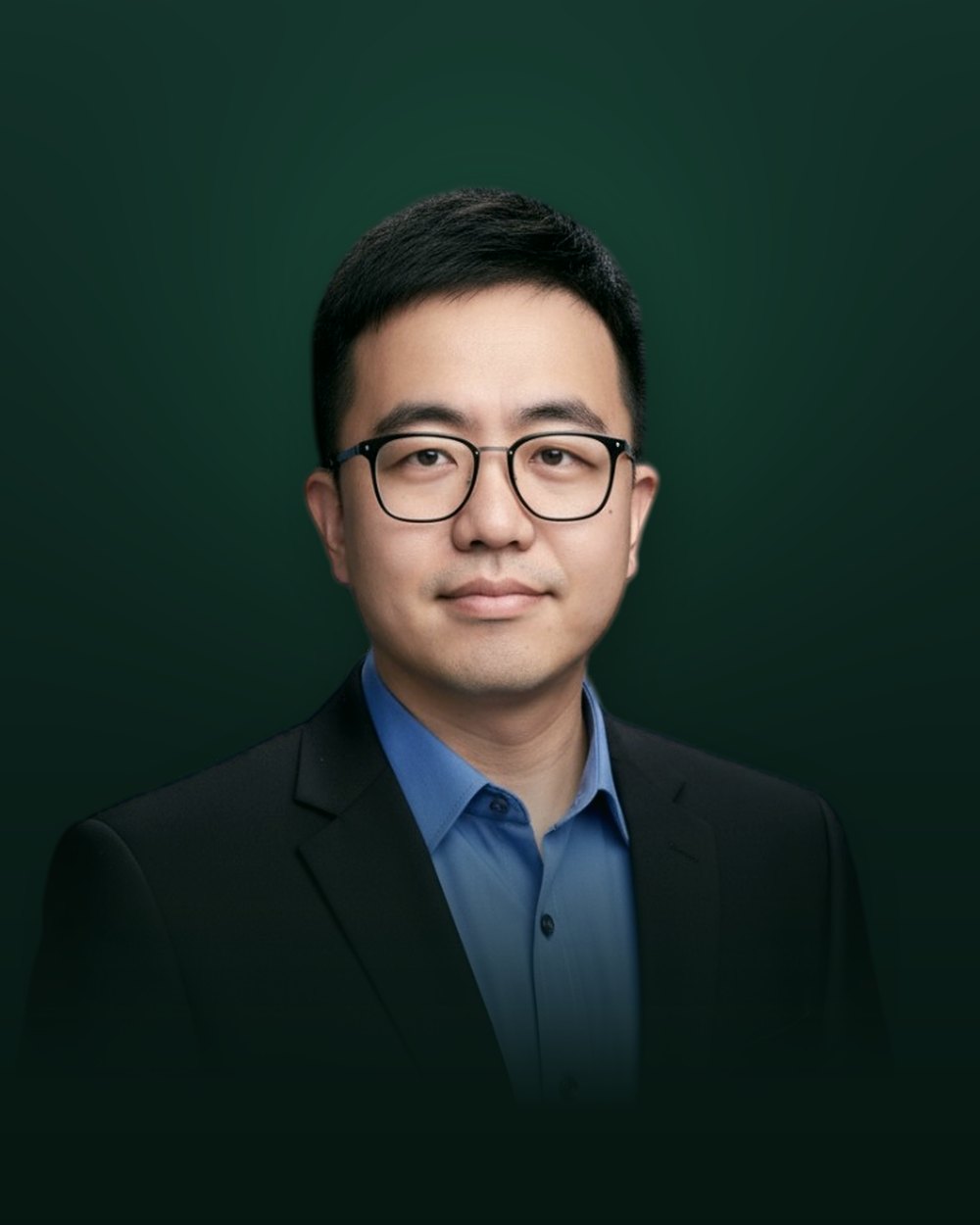
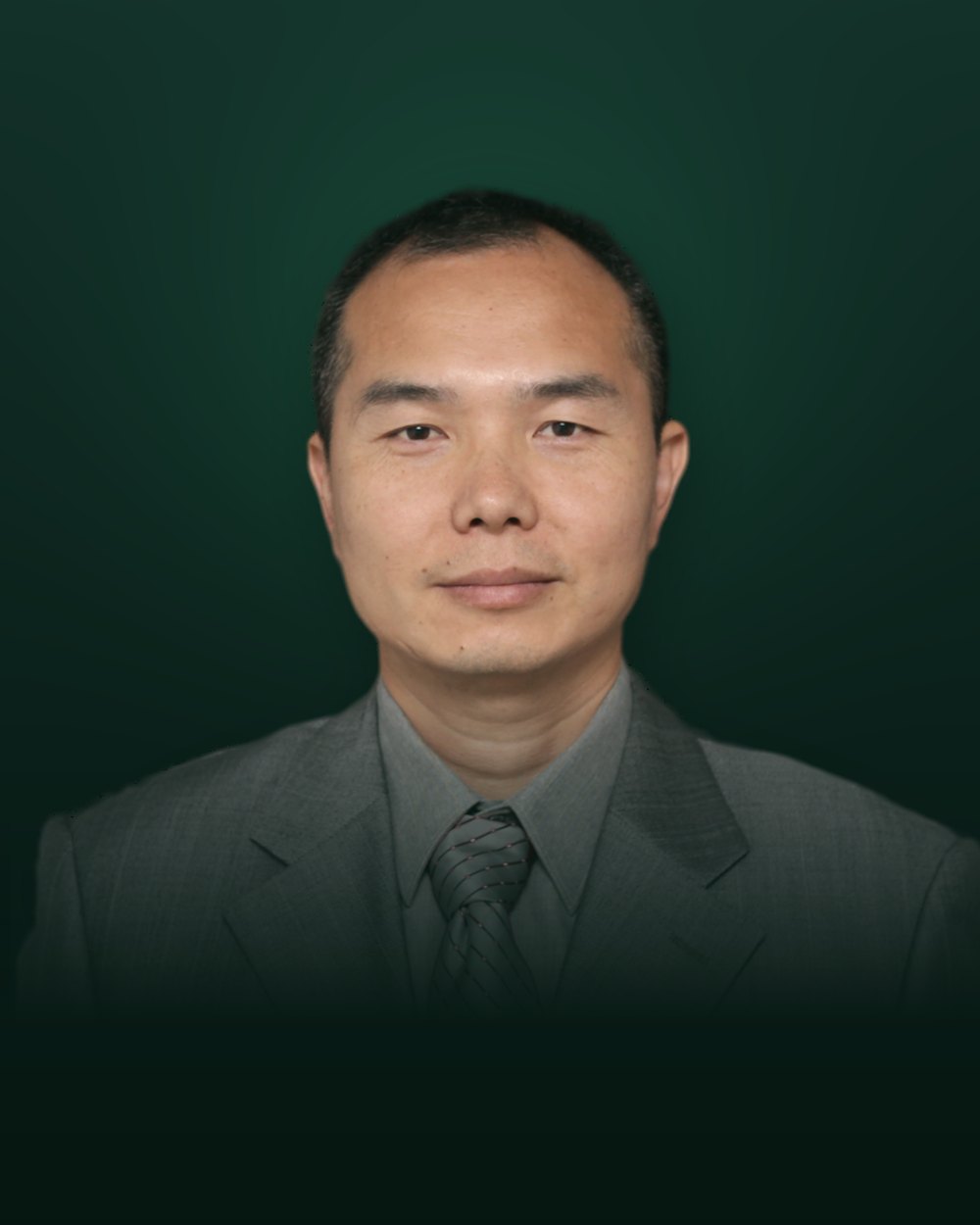
Fangfei Chen
Cloud and data center
A career spent building and operating global data center capacity and infrastructure engineering organizations for internet-scale platforms, including large-scale accelerator deployments.
~1 GW of global data center expansion directed. Infrastructure engineering organization built from 1 to 300 plus people.
Cheng Chang
Power, fuel and compute
A career spent originating and closing utility-scale power and large-load transactions with hyperscalers, utilities, munis, co-ops, IPPs and capital partners, and structuring commodities and compute products.
10+ GW of data-center and large-load offtakes closed, spanning fuel, power, capacity and transmission. Built and led commercial platforms for M&A and asset management.
Supporting detail available on request.
Capital
How the capital is structured.
Platform equity
Equity at Neo Harvest funds the team, site control and options, and the engineering that takes a site to a bankable design. In process with institutional investors.
Project capital
Each project company raises its own equity and debt at financial close, sized to that project and secured on its contracts and assets. A landowner is never exposed to the platform balance sheet.
What that means here
The platform funds origination, site control and development up front, and recovers those costs from the project company only at financial close.
Equity at the platform. Debt and equity at each project.
The opening
The near-term shortfall gets filled by whoever already holds the site, the permit and the fuel.
We buy or lease powered land where it exists. We create it where it does not, behind the meter (BTM). Route A avoids the interconnection queue entirely. Route B starts inside an existing connection.
Two power routes
Power secured before we build.
Route A
BTM generation we build and own
Owned generation sized to the load, on sites chosen for abundant low-cost fuel and constructive permitting. Nothing drawn from the grid and nothing exported to it, so there is no queue to wait in, and the schedule is ours.
Route B
Utility connection, then BTM generation
Grid-supplied load on a screened, already-existing connection path, with generation added behind the meter to carry growth beyond what the connection supports. The connection sets the floor; the generation we build lifts the ceiling.
Where we begin
So we start at the two ends.
Most developers begin at the building and work backwards, hoping a utility will meet them. We begin at both ends, the energy and the compute offtake, and work towards the middle. Developing our own powered land is the scarce capability in this market, and it decides which sites are reachable at all, how fast they energize, and whose schedule expansion runs on. Securing the compute offtake early makes execution faster and more efficient.
Neither route waits in an interconnection queue.
Work with us
Three ways in.
If you own land or power
- Tell us the acreage, the power situation and what you want to do with it: sell, lease, or participate.
- We screen against a written standard and come back with a yes, a no, or the specific thing that would turn it into a yes.
- We take site control to build.
If you need capacity
- Tell us the load, the region and the date you need it energized.
- We come back with a route to power, a delivery schedule and one contract.
- You contract for accepted compute at a service level — not a building, a tariff and a hardware order.
If you supply the stack
- Fuel, generation, electrical gear, cooling, modules, accelerators, construction.
- We buy across the whole stack for our own sites, so the order is one relationship rather than three.
- Talk to us about slots, lead times and terms on the pipeline ahead.
Contact
Tell us what you have, or what you need.
Neo Harvest — energy-first, full-stack AI compute.